
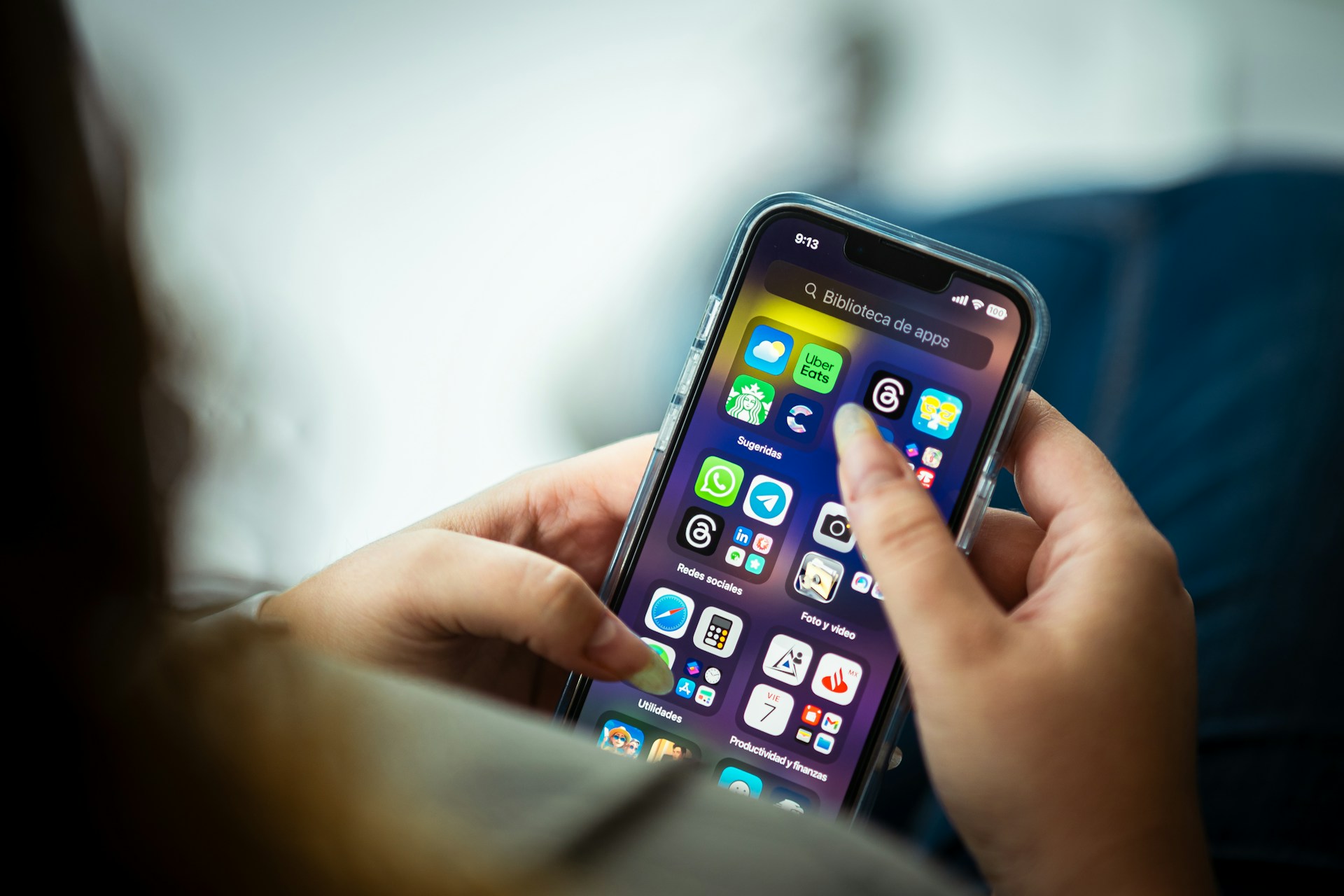
Nowadays, smartphones have become an indistinguishable part of our lives. Early morning alarms till we go to sleep, we are using it everywhere; work, entertainment, and communication. However, what does occur when such dependency becomes smartphone addiction? This is a rising problem that is silently making an impact on our physical and mental health.
This blog will discuss how smartphone addiction is affecting health and effective means of overcoming it.
What is Smartphone Addiction?
Smartphone addiction can be defined as too much or uncontrollable use of mobile phones that causes one to forget his or her real-life duties, relationships, or health. It is even referred to as nomophobia, which is the fear of not having a mobile phone. Individuals who are phone addicts use the time to scroll their social media, play games, or read infinity.
Smartphone addiction is not visible, as compared to other types of addiction. It might not even be apparent until the time when you start to feel restless or anxious without your phone. Research has indicated that an average individual spends more than 150 times daily on their phone!
Indications That You Are Addicted to Your Smartphone
In case you can associate with any of these symptoms, you may be having a mobile phone addiction:
- Looking into messages all the time despite the lack of messages.
- Sometimes you feel nervous, or even annoyed, when you do not see your phone.
- Unnecessary time on social networks or playing applications.
- Inability to concentrate on what you are doing without checking your phone.
- Late-night scrolling is the cause of losing sleep.
Being aware of the symptoms is the initial move to have control over your use of the Internet.
The Implications of Smartphone Addiction on Health
Although smartphones simplify our lives, their excessive use can have a severe impact on mental and physical health.
Mental Health Issues
Smartphone overuse may cause anxiety, depression, and stress. Regular visits to social media usually lead to comparison, low self-esteem, and FOMO (Fear of Missing Out). There is also the result of overstimulation of the brain through the continuous flow of information at the expense of concentration and mental exhaustion.
Sleep Problems

The bluish light that the phone screens emit disrupts the melatonin production, which is the hormone that governs sleep. Consequently, individuals who are addicted to their phones tend to experience insomnia or a lack of sleep of decent quality. So scrolling your feed before bed fools your brain into not falling asleep and not allowing your body to have rest and recuperation.
Eye Strain and Headaches
The long time spent at the screen results in digital eye strain, which results in headaches, blurred vision, and dryness. This is what is typically referred to as Computer Vision Syndrome, and it is becoming quite common among smartphone users.
Neck and Back Pain
Hours of sitting with your phone can strain your neck and your spine. This is a phenomenon known as text neck. This may eventually lead to chronic pain and stiffness as well as poor posture.
Reduced Productivity
Smartphone addiction compromises focus and efficiency. Constant notifications and multitasking can hardly keep one focused at work or at school, and thus cause procrastination and lower performance.
Social Isolation
Paradoxically, smartphones have helped us to become more connected, but at the same time, they have made us less connected to our real-life relationships. Most individuals find it much more comfortable to text or scroll instead of communicating and socializing, resulting in social isolation and a lack of emotional connection.
How to Break the Smartphone Addiction?
Quitting the addiction to the smartphone does not require abandoning the phone altogether. It is all about having a better relationship with technology. Here’s how you can do it:
1. Set Screen Time Limits
Monitor your usage in the corresponding built-in functionality, such as Digital Wellbeing (Android) or Screen Time (iOS). Limit the number of hours you spend per day on particular applications, particularly social media or games.
2. Create No-Phone Zones
Identify specific places or times when you do not use your phone, like during meals, before going to sleep, or when you are spending some time with other family members. This aids in being mindful and less addicted.
3. Switch Off Unnecessary Notifications
The idea of constant notifications causes a feeling of urgency, and it is harder to resist reading your phone. Turn off any notifications that are not required in order to be more focused.
4. Participate in offline Activities
Relearn things that are not screen-based -reading, cooking, painting, walking. Anxiety can also be reduced with the help of physical exercises such as yoga or meditation that will enhance mindfulness.
5. Use “Do Not Disturb” Mode
You can also turn on Do Not Disturb mode in case of interruptions during work or study time. This makes focus better and enables you to accomplish more in a short period of time.
6. Set a Digital Curfew
The last thing you want to do before going to bed is use your phone. Instead of scrolling at night, consider other relaxing things, such as journaling, stretching, or listening to relaxing music.
7. Practice Mindful Usage
You should ask yourself why you pick up your phone; is it because you need it or because it is a habit? Mindfulness will allow you to become more aware of triggers and interrupt the habit of looking at your phone.
8. Seek Support If Needed
In case the usage of your smartphone is impacting your health or relationships, it is a good idea to discuss it with a therapist or participate in a digital detox. Professional advice helps to form sustainable habits sometimes.
The Pros of a Digital Detox
A digital detox (a moment of smartphone and screen-free time) comes with a plethora of advantages:
- Increased concentration and attention.
- Better sleep and vitality.
- Better relationships in the real world.
- Increased creativity and awareness.
- Reduced stress and anxiety.
Even a 24-hour detox will be enough to flip-flop your mind and will assist you in getting back to yourself and the surrounding world.
Final Thoughts
Smartphone addiction is the most significant threat to our current lives, which affects our mental health, productivity, and relationships without notice. It is well to know that with enough knowledge and practice, you can rein in your online behavior. Technology is not meant to take over your life, but you can enjoy its advantages without disrupting your personal life by setting boundaries, using offline moments, and being mindful.
Go little steps today – stop your phone and pay attention to the surrounding environment, and experience the world. It will do your mind and body good.